
Five Overlooked Clues That Can Reveal Your Next Move

In the first part of The Turning Point Series, we looked at what happens when you pause long enough to ask better questions about your life’s direction. Not the usual ones about goals or productivity, but questions designed to shake you out of autopilot and reveal what you really want next.
Those five questions — about what drains you, where you feel most alive, and what patterns you’ve been repeating — were not about finding instant answers. They were about disrupting the familiar script of success so you could see your life with fresh eyes. Many readers told me the exercise was unexpectedly revealing: step back, even briefly, and you realize how much of your direction has been shaped by habit, expectation, or the fear of missing out.
That first article offered five questions to break autopilot and spark fresh possibilities, questions that often reveal more in the asking than in the answering. If you haven’t read it yet, it’s worth starting there. Think of it as a reset button, one that challenges assumptions and clears space for what comes next.
This second installment builds on that foundation. Now that you’ve opened the door with new questions, the next step is to notice the clues already waiting in your life. Inspiration for your “next big thing” doesn’t always require a dramatic reinvention. More often, it shows up in the everyday signals you’ve been too busy to notice.
The Five Clues That Can Reveal Your Next Move
Your next direction doesn’t always require chasing something brand new. Often, the signals of what’s next are already present in your life, you just haven’t looked at them closely. These five questions help you uncover the overlooked patterns that can point the way forward.
1. What do others come to you for, even outside your formal role?
Most of us underestimate the things that come naturally. We assume everyone else can do them too, when in fact they’re often rare strengths. Pay attention to what people consistently seek you out for, whether at work or in your personal life. Do they ask you to clarify complex ideas, to calm tensions, to connect them with opportunities, or to see the big picture when others can’t?
These requests are signals. They reveal not only where others trust you, but also where your presence makes a difference. Sometimes the next chapter isn’t about learning something new at all, it’s about owning the strengths you already practice without thinking.
2. What are you intensely curious about, but never made time to explore?
Curiosity is more than a passing interest. It’s an instinct pointing toward growth. Think about the subjects or skills you keep bookmarking, the podcasts you download but don’t listen to, or the opportunities you tell yourself you’ll get to “someday.” Those unfinished threads are rarely random. They’re markers of direction.
When you give curiosity room, it often leads you somewhere unexpected yet deeply aligned. A new chapter might not begin with a bold plan but with a quiet step toward something you’ve been drawn to all along.
3. What were you doing the last time you lost track of time?
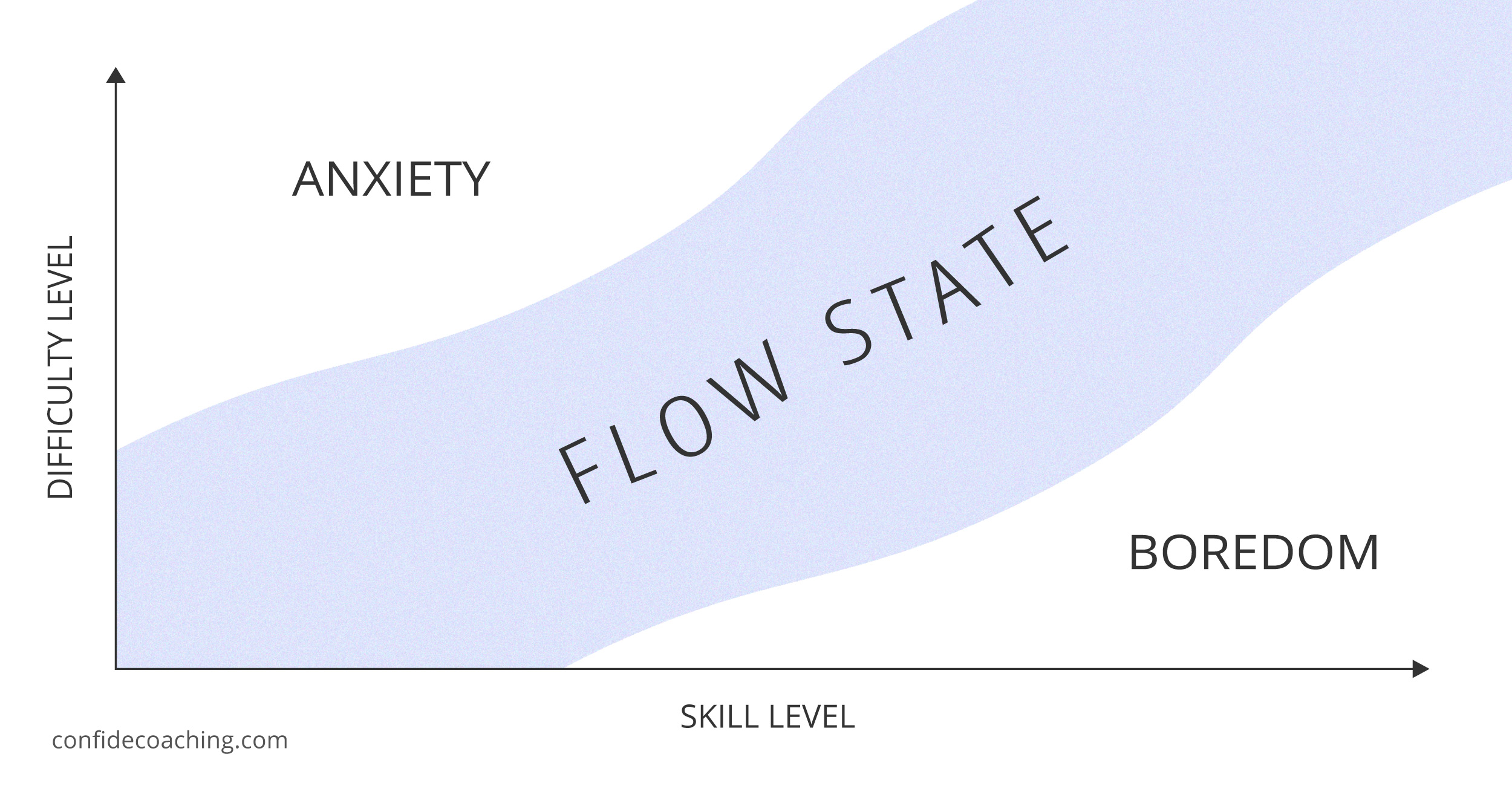
Moments of flow are not accidents — they’re evidence. When you lose track of time, it’s because you’re absorbed in something that stretches you just enough to feel alive but not so much that it overwhelms you. These are rare moments worth taking seriously.
Think back: was it while building, writing, problem-solving, teaching, or mentoring? Flow shows you where effort feels like energy rather than depletion. If you’ve been restless, the clue may lie in recreating the conditions that once made time disappear.
4. What past version of you is asking for a voice in the present?
As life moves forward, we often leave parts of ourselves behind, sometimes out of necessity, sometimes because we think we’ve outgrown them. Yet those earlier versions don’t vanish; they wait. When an old interest, passion, or way of being resurfaces, it’s not regression. It’s reintegration.
Maybe you loved painting, performing, or leading as a child, but set it aside to pursue a “practical” path. Maybe you thrived in adventure, travel, or risk, but stepped into stability. Listening to that past voice can help you recover qualities that are ready to return in a new form, things like creativity, boldness, or joy.
5. What makes you quietly envious, in a way that hints at desire?
Envy is uncomfortable, which is why most of us push it away. But if you pause, it can be one of the clearest signals of what you want. When you notice envy of someone’s work, lifestyle, or choices, ask yourself: What about this stirs me? What is it reflecting back to me about my own unlived desires?
The answer usually isn’t about the other person at all. It’s about you. Envy reframed as data becomes a powerful guide. It reveals longings you’ve pushed aside and aspirations you may not yet have given yourself permission to pursue.
Putting the Clues Together
If you worked through the first article, you’ll remember — this process isn’t about finding one perfect answer. It’s about paying attention to the threads that keep showing up. That’s as true here as it was in the beginning.
The five questions in this article aren’t meant to hand you your next chapter fully formed. They’re meant to surface signals, small but meaningful pieces of evidence. The real insight comes when you step back and notice how those signals begin to cluster.
Maybe people often come to you for perspective, and you also realize you lose track of time when you’re problem-solving. Or perhaps your curiosity keeps circling around health and well-being, and you feel a quiet tug of envy when you see someone building a life in that space. Patterns like these are worth more than a single flash of inspiration, because they point to a direction you can actually trust.
That’s why it’s so important to keep seeking patterns rather than chasing answers. Clarity doesn’t usually arrive in a lightning strike. It builds as you connect the clues, one by one, until a direction starts to emerge that feels less forced and more like your own.
From Insight to Direction
Once you start spotting patterns, the next step is not to map out your whole future, but to try one small step. Reach out for a conversation, set aside an hour to revisit an old interest, or give yourself permission to explore the curiosity you’ve been postponing. You don’t need certainty to begin. You need motion.
Looking Ahead
In the first article, you asked new questions to reset your perspective. In this one, you uncovered clues already hidden in plain sight. Next, we’ll look at how to turn those signals into experiments, ways to test what feels promising without overcommitting.
Clarity doesn’t arrive all at once. It grows as you notice the patterns, act on them, and let experience guide you forward.
Your future won’t unfold in a single answer. It will emerge from the patterns you dare to follow.

Paul Strobl, MBA, CPC
Owner of Confide Coaching, LLC
Paul is a Master Life Coach for GenX and GenY executives and business owners. Originally from Houston, Texas, he has been location independent for most of his adult life. He currently resides in the Rhodope Mountains of Bulgaria near the Greek border with his brilliant wife, 15-year-old stepson (officially adopted in 2021!) and a Posavac Hound rescue.
Paul is also a Certified BOSI Partner, Executive Coach, and Entrepreneurial DNA practitioner who has delivered BOSI-based workshops for MBA programs, accelerators, and leadership teams worldwide.