
A curated reading list for Gen X founders and business leaders ready to reinvent their work, health, and purpose in the second half of life.
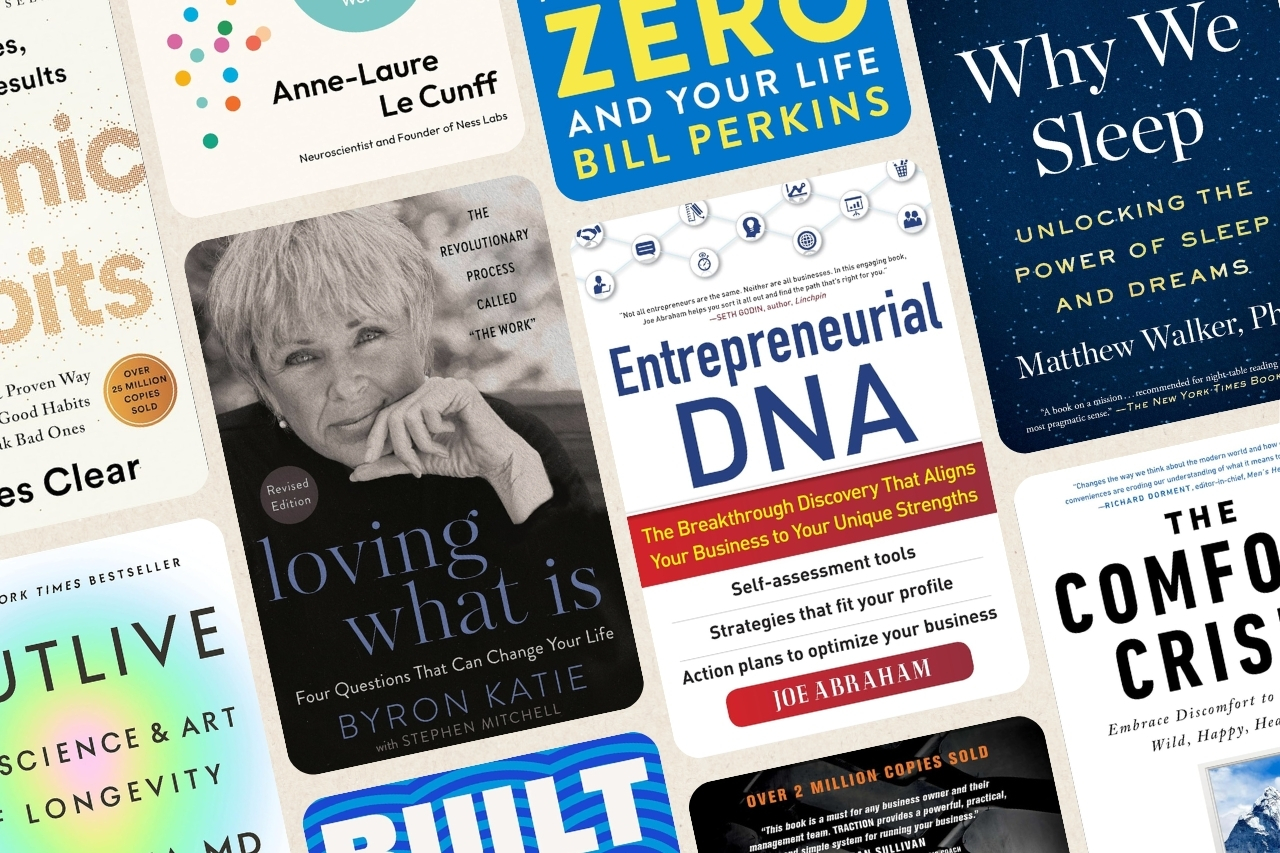
There comes a time in every entrepreneur’s life when “growth” stops meaning headcount or revenue. You’ve built something real. You’ve proven what you needed to prove. Now the question isn’t Can I do it again? — it’s What’s next?
That question usually shows up quietly. Maybe you’ve lost the thrill that used to drive you. Maybe the systems you built now run fine without you. Or maybe you’re just tired of being productive without feeling alive.
If that sounds familiar, this list is for you — books that help Gen X entrepreneurs reinvent success with more purpose, energy, and freedom in the second half of life.
Mindset and reinvention books for entrepreneurs
At midlife, reinvention stops being a branding exercise; it becomes an inner one. The skills that built your first success rarely create your next. What once felt like drive can start to feel like resistance; what used to be clarity can harden into certainty (and certainty can be the greatest threat to possibility). Reinvention begins when you stop asking, What should I build next? and start asking, Who am I becoming now? These books explore that shift: from achievement to alignment, from control to curiosity, from doing to being.
The War of Art – Steven Pressfield
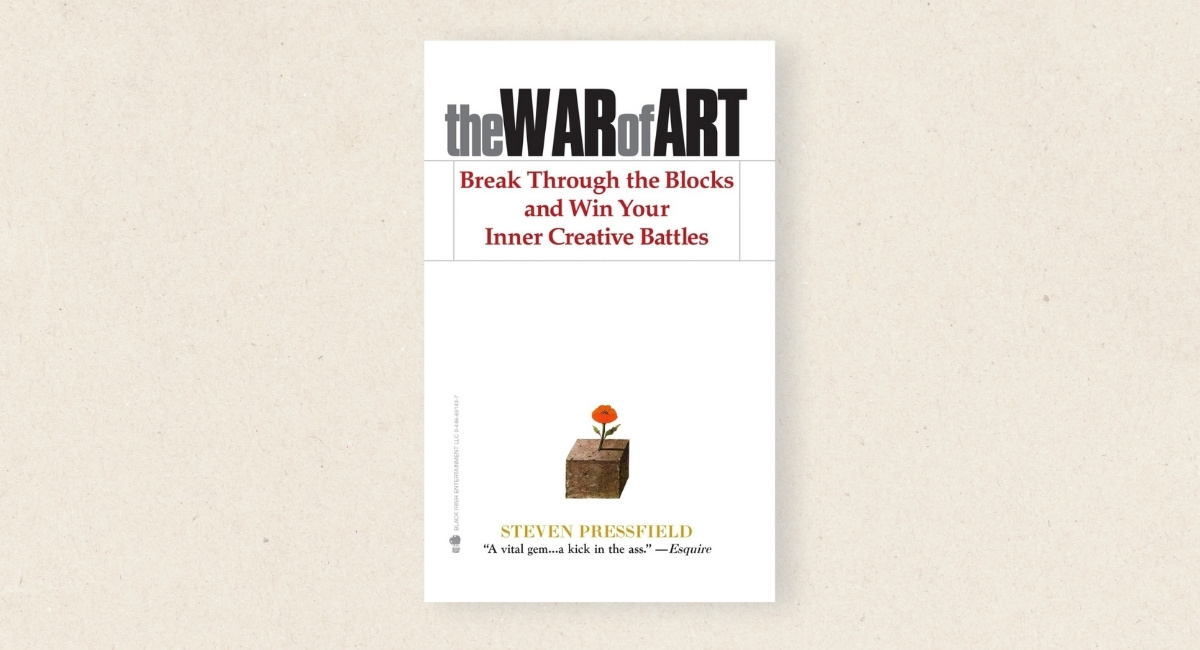
At some point, every entrepreneur hits an invisible wall between knowing and doing. You can feel the next evolution calling, yet days pass in delay disguised as “planning,” “preparing,” or “being strategic.” Pressfield calls that inner friction Resistance and names it as a natural force, not a personal flaw. The moment you understand that resistance is the signpost of meaningful work, not the enemy of it, everything changes. His lesson is simple but profound: act before you feel ready, because readiness comes from movement, not thought.
The issue this book addresses: The quiet frustration of being capable but stuck, putting off pursuing something meaningful, especially when you’re successful on paper but restless in spirit.
Ask yourself: If resistance is the compass, what meaningful direction is it pointing me toward?
Loving What Is – Byron Katie
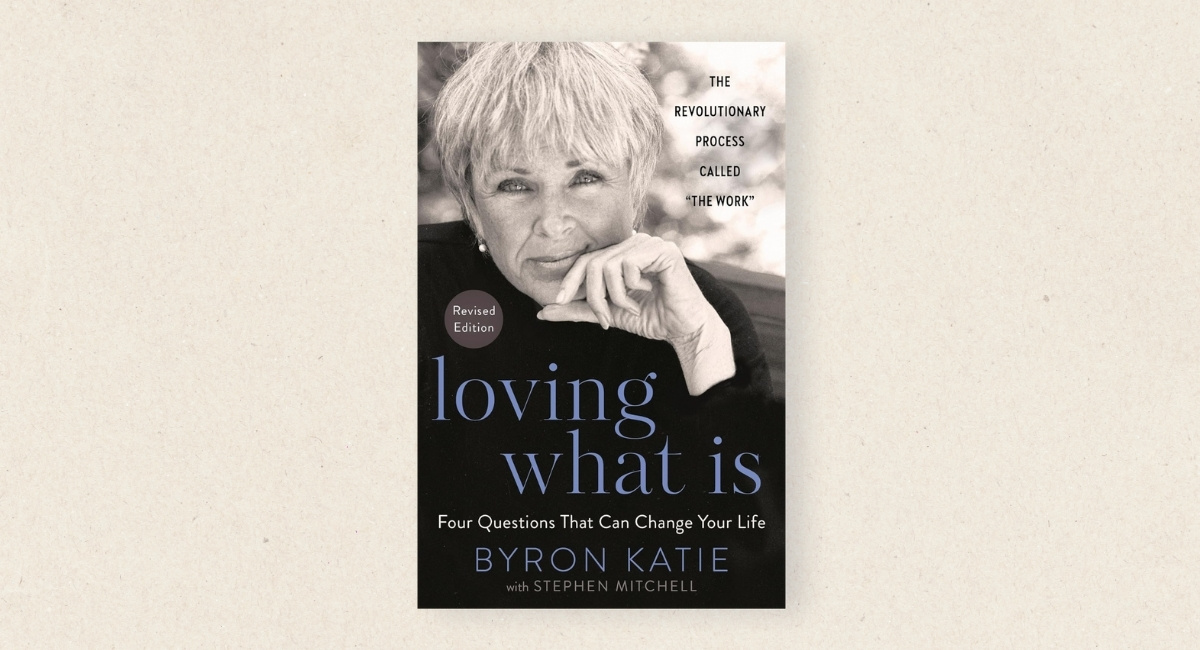
Entrepreneurs are trained to bend reality to their will — to set targets, solve problems, and make things happen. That ability builds companies, but it can also build tension. When life, people, or timing stop cooperating, the same determination that once served you becomes your greatest source of suffering. Katie’s “Work” is a practice of questioning the thoughts that create that suffering. It’s not about resignation; it’s about acceptance and clarity. Once you stop arguing with reality, energy that was trapped in frustration becomes available for creativity, presence, and genuine connection.
The issue this book addresses: The mental exhaustion of trying to control outcomes and people long after it’s useful.
Ask yourself: Which story about my business, team, or self would lose its grip if I simply stopped believing it?
The Comfort Crisis – Michael Easter
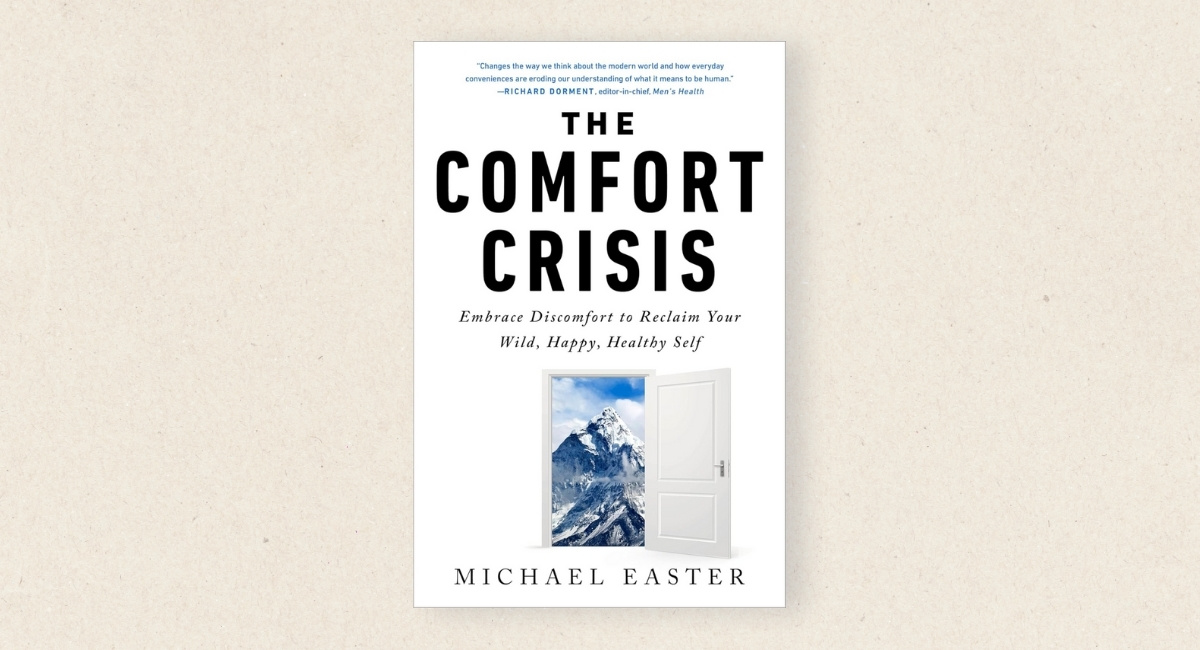
Success is supposed to bring freedom, yet it often delivers a subtler kind of confinement: the tyranny of ease. Easter’s book reminds us that growth and comfort rarely coexist. By voluntarily seeking discomfort through physical challenge, solitude, or doing hard things by choice, we reawaken the resilience that made us successful in the first place. The message isn’t masochism; it’s meaning. When everything becomes predictable, we lose the spark that once pulled us forward. The cure is friction; chosen, not forced.
The issue this book addresses: The slow fade of drive and purpose that comes when success removes all real challenge.
Ask yourself: Where have I mistaken comfort for peace, and what challenge might restore my edge?
Tiny Experiments – Anne-Laure Le Cunff
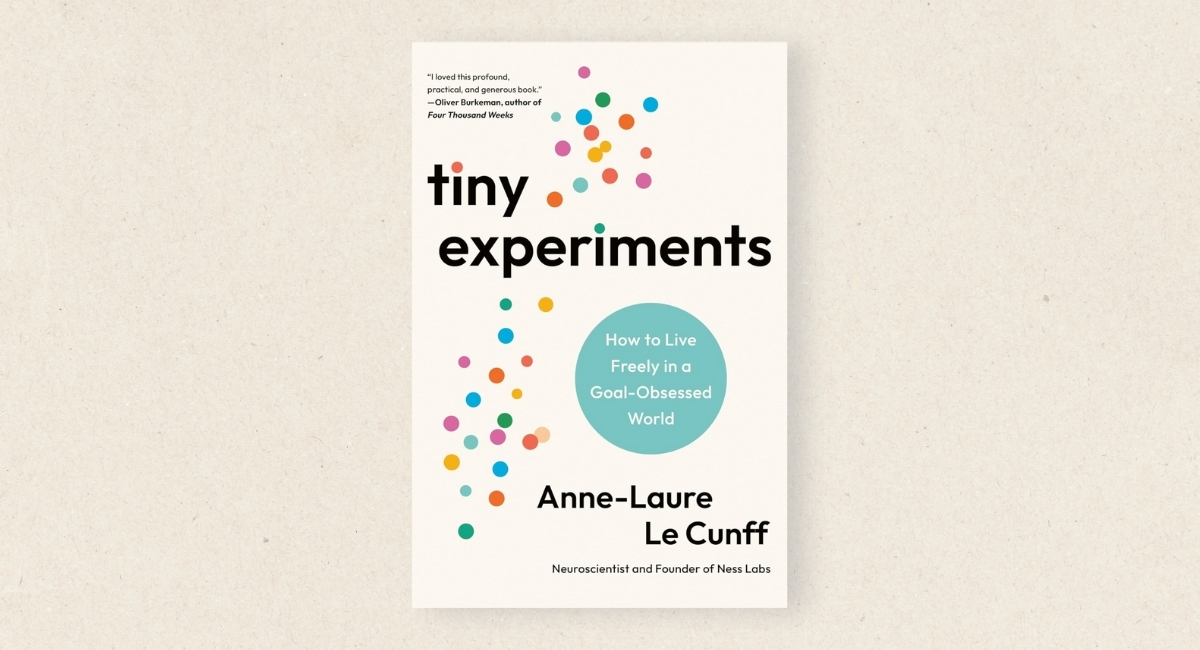
The older we get, the more our intelligence can work against us. We overthink, overplan, and confuse precision with progress. Le Cunff’s Tiny Experiments is a manual for reclaiming curiosity; a scientific, low-stakes approach to change that replaces “I need a perfect plan” with “Let’s see what happens.” It’s a gentle but radical shift: progress through iteration, not certainty. For the entrepreneur who’s built stability but lost the sense of play, this book reopens the door to creative risk-taking — the kind that leads to reinvention, not burnout.
The issue this book addresses: The paralysis of overanalysis — when fear of getting it wrong blocks your next evolution.
Ask yourself: What small experiment could I run this week to replace daydreaming with experience?
Business strategy and systems thinking books
At some point, every founder outgrows their own company. What began as energy and instinct becomes a structure that now demands order, not adrenaline. This stage calls for a different kind of mastery — one that trades hustle for clarity, charisma for systems, and control for trust. These books offer the frameworks, language, and perspective to help you build something that runs smoothly without dulling your sense of purpose.
Entrepreneurial DNA – Joe Abraham
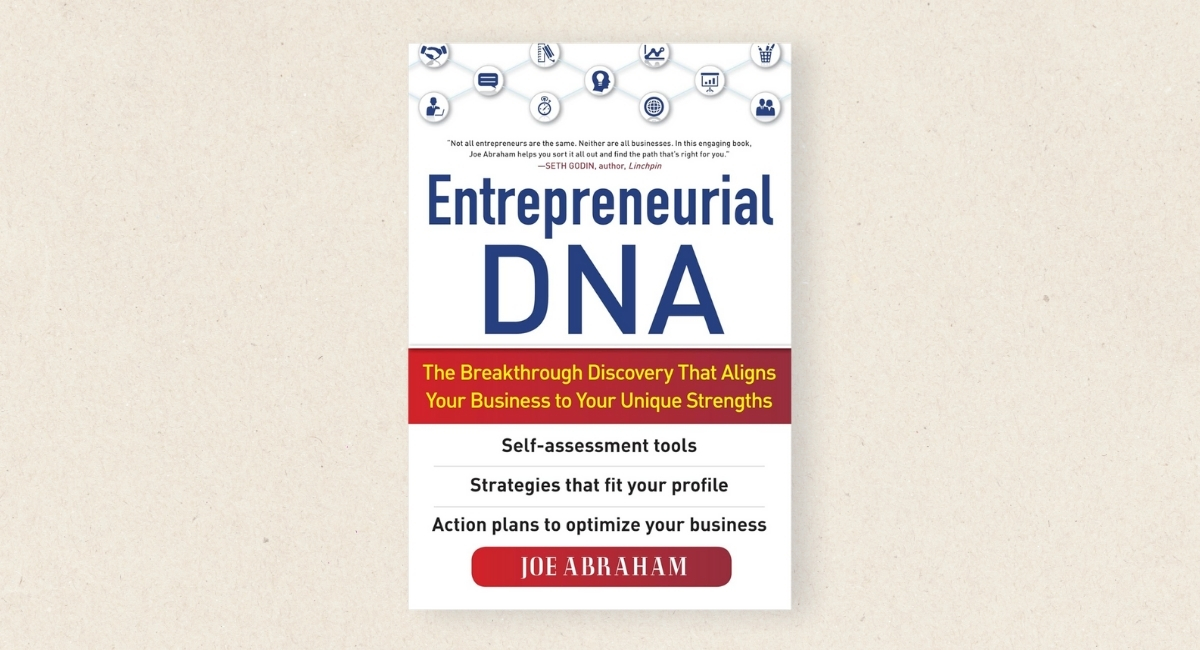
After years of building, leading, and troubleshooting, most entrepreneurs eventually hit a wall that strategy alone can’t solve: they’re running a business that doesn’t match who they are. Abraham’s Entrepreneurial DNA is a mirror that helps you see your natural wiring — Builder, Opportunist, Specialist, or Innovator — and understand how it shapes everything from decision-making to burnout. Once you know your DNA, you can stop copying someone else’s playbook and start designing around your strengths. The most productive leaders are not the most disciplined, they’re the most aligned.
The issue this book addresses: Building or managing a business that drains you because it’s structured for someone else’s temperament, not yours.
Ask yourself: Where am I still forcing myself to lead like someone I admire instead of leading like myself?
Traction – Gino Wickman
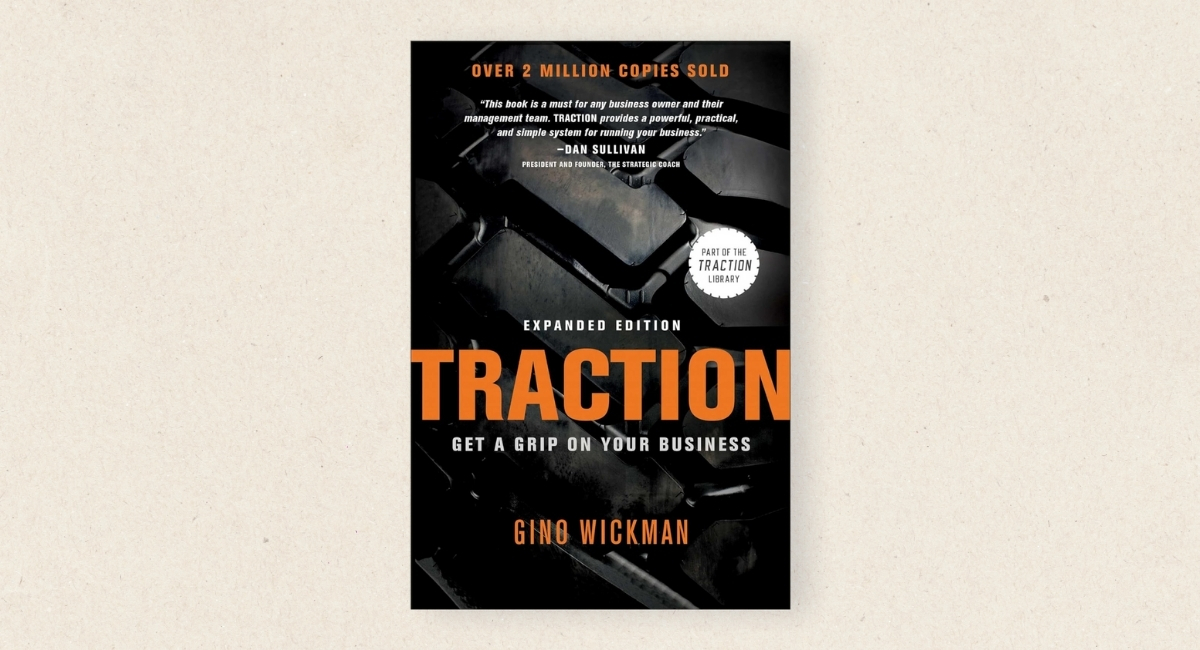
The freedom you dreamed of when you started your business is often the first thing you lose once it grows. Traction gives that freedom back by turning chaos into process. Wickman’s Entrepreneurial Operating System (EOS) offers clear tools for defining roles, setting priorities, and holding people accountable — without constant firefighting. It’s not flashy, but it’s the difference between a business that owns you and one that sustains you. Systems don’t limit vision; they protect it from entropy.
The issue this book addresses: The burnout that comes from running every decision through yourself because there’s no real operating rhythm.
Ask yourself: If I stepped away for 30 days, what in my business would break — and why?
The Next Conversation – Jefferson Fisher
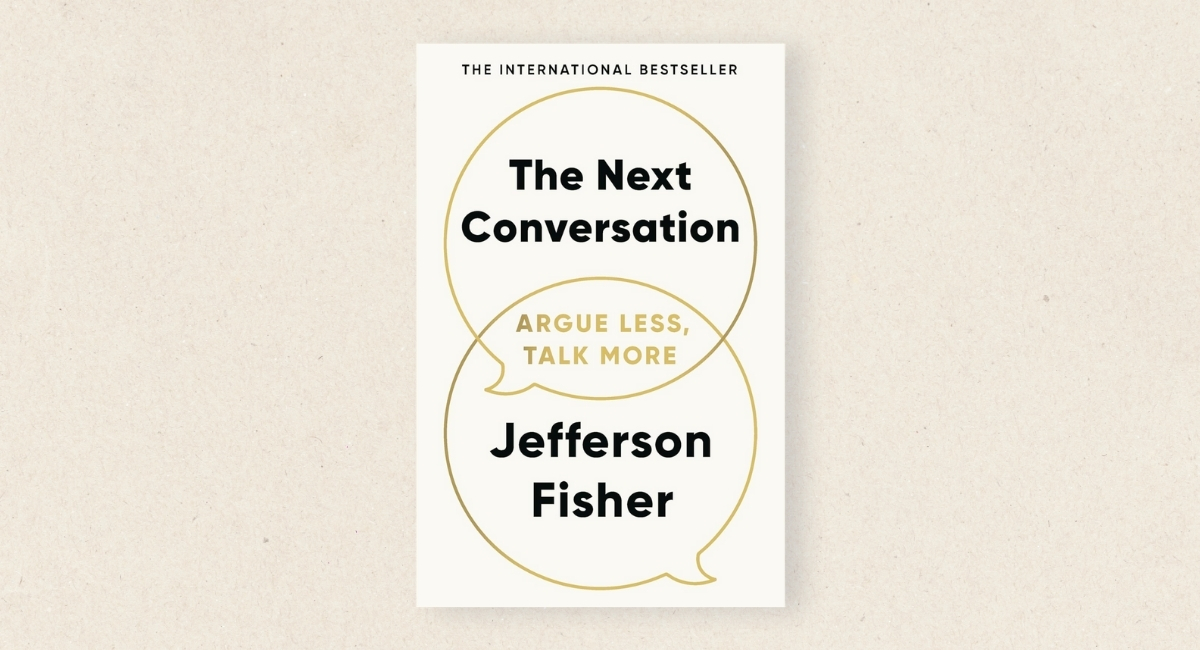
Jefferson Fisher, a trial-lawyer turned communication educator, takes his experience in high-stakes courtroom settings and social-media-fueled teaching platform and presents a refreshingly accessible guide to improving how we talk and listen. The book’s subtitle (“Argue Less, Talk More”) nails the mission.
The issue this book addresses: How everyday conversations break down under stress or misunderstanding, and how to turn them into calmer, more productive exchanges instead.
Ask yourself: Are your conversations creating connection—or quietly adding stress to your life?
Health, longevity, and peak performance books for entrepreneurs
By midlife, the most valuable asset in your business isn’t cash flow, it’s capacity. Your body becomes the infrastructure that either sustains or sabotages your ambitions. Energy, focus, recovery, and emotional regulation now determine how far you can go, and how good the journey feels. This stage isn’t about performance for its own sake; it’s about building the health span to enjoy the life you worked for. These books bring science and strategy to the question every Gen X entrepreneur eventually faces: How do I stay strong enough and clear enough for the long game?
Outlive – Peter Attia
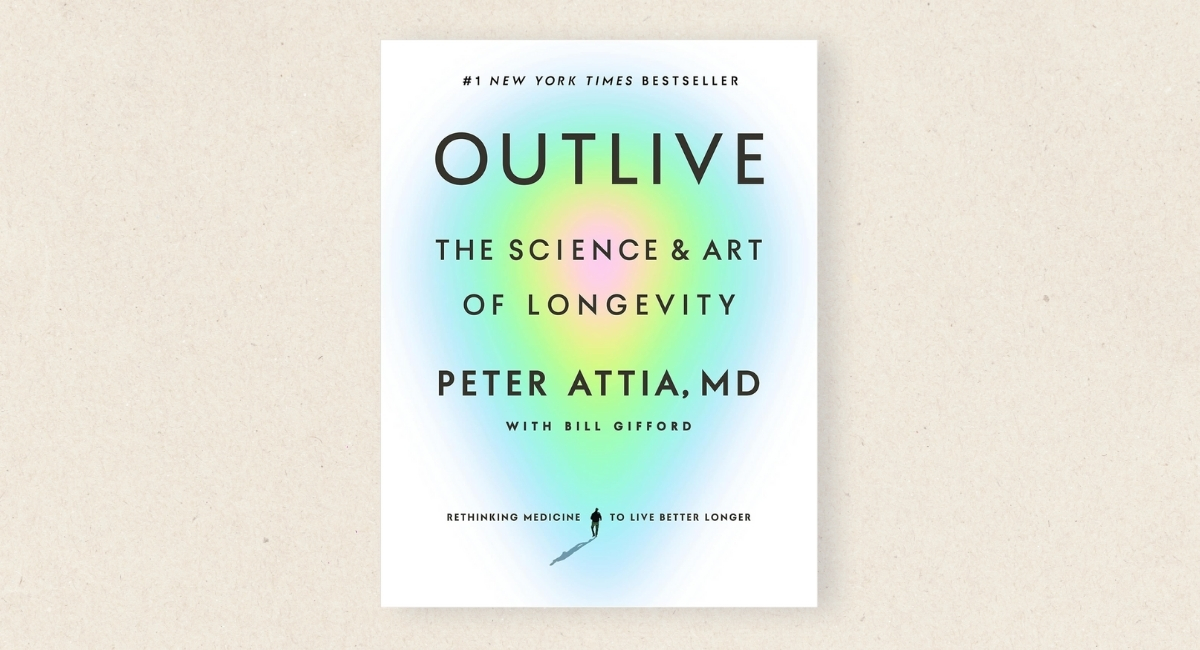
Most people treat health like damage control, reacting to problems once they appear. Attia reframes it as proactive design. Outlive translates longevity science into daily strategy: strength training, metabolic health, emotional fitness, and early diagnostics. But the deeper message is existential: to outlive the version of yourself that coasted on luck and youth. Attia forces a reckoning with how you spend your decades, not just your days. For entrepreneurs used to optimizing everything else, this book is the call to optimize the vessel that makes it all possible.
The issue this book addresses: The realization that success has outpaced health — that years of drive have come at the expense of strength, sleep, and energy.
Ask yourself: If I applied the same strategic intensity to my health as I do to my business, what would change first?
Why We Sleep – Matthew Walker
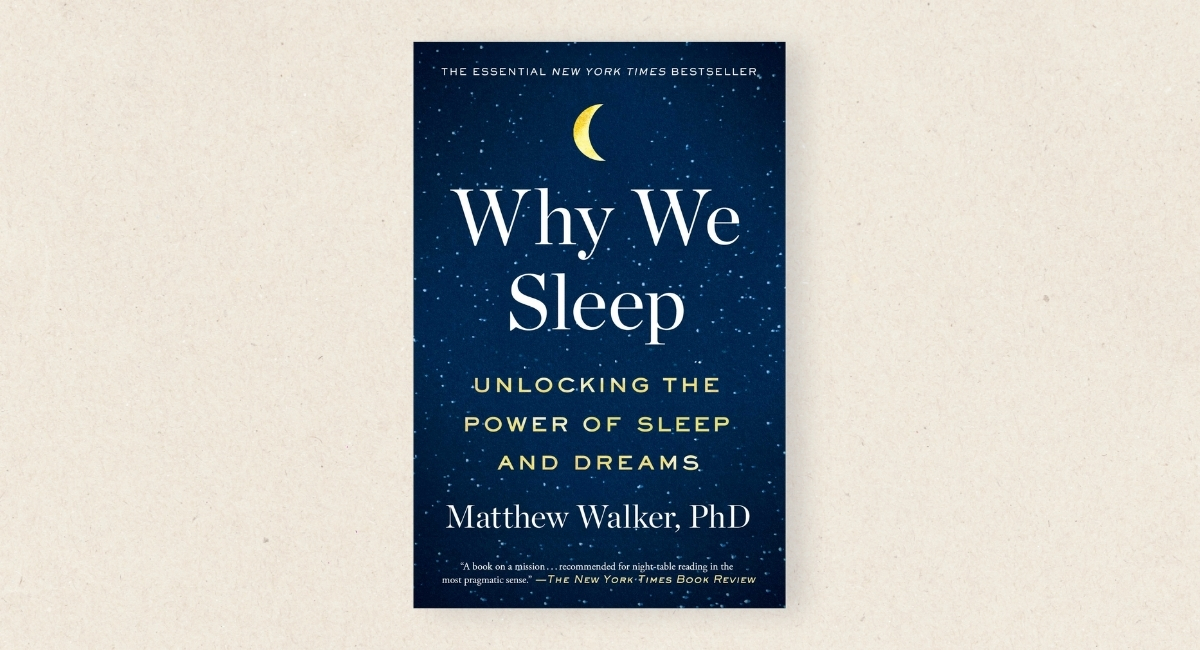
Sleep is the most undervalued competitive advantage of the modern age. Entrepreneurs treat exhaustion as a badge of honor…until it quietly erodes creativity, memory, and judgment. Walker’s work dismantles the myth of “getting by” on five hours. He shows how sleep is not rest but active repair — the nightly reboot that determines how long your system can stay high-performing. You can hack many things, but sleep isn’t one of them. This book will make you rethink how you schedule your days, your recovery, and even your ambitions.
The issue this book addresses: The chronic fatigue and cognitive dulling that come from long-term overextension; when rest feels undeserved.
Ask yourself: What would happen to my clarity and patience if I treated sleep as my primary training ground?
Built to Move – Kelly & Juliet Starrett
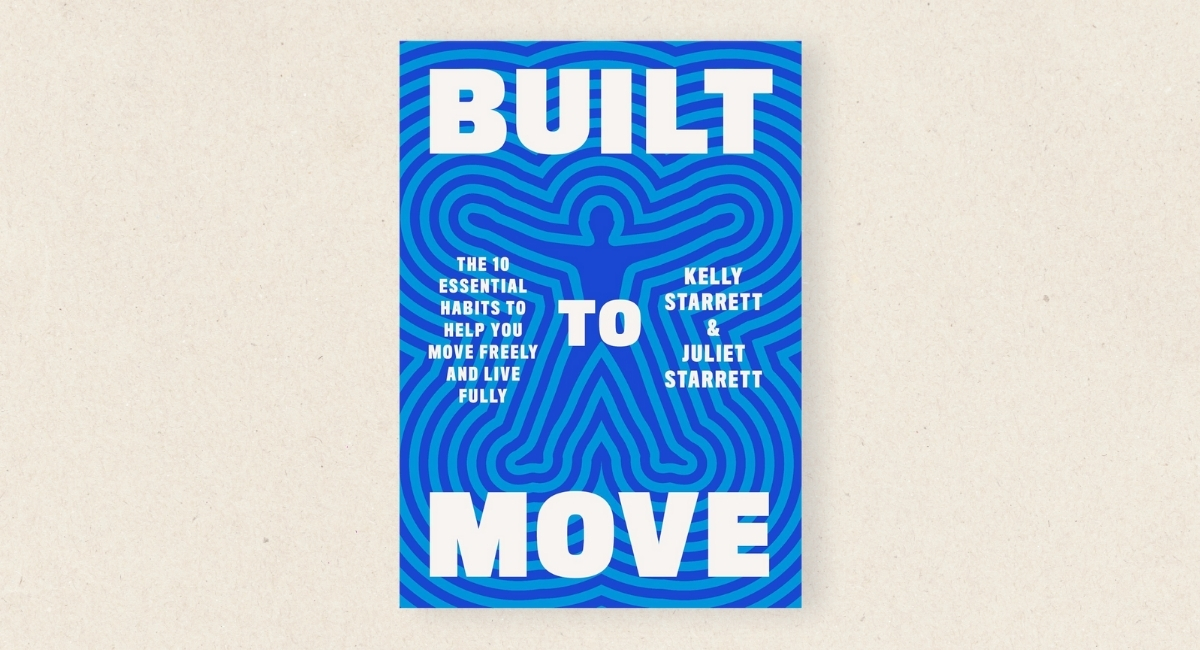
Movement is the first thing entrepreneurs sacrifice and the last thing they regain. Built to Move offers ten simple assessments that expose how well (or poorly) your body is functioning — and the daily practices that keep it mobile, pain-free, and durable. The Starretts’ approach is pragmatic: you don’t need a gym membership or a marathon goal, just consistency. The book is less about fitness and more about freedom — being able to bend, lift, and live without fear of breaking.
The issue this book addresses: The creeping physical limitations — stiffness, pain, fatigue — that signal a loss of resilience before a crisis forces change.
Ask yourself: What small, daily movement could I reclaim as an act of self-respect, not self-discipline?
Rebuilding Milo – Aaron Horschig (Honorable Mention)
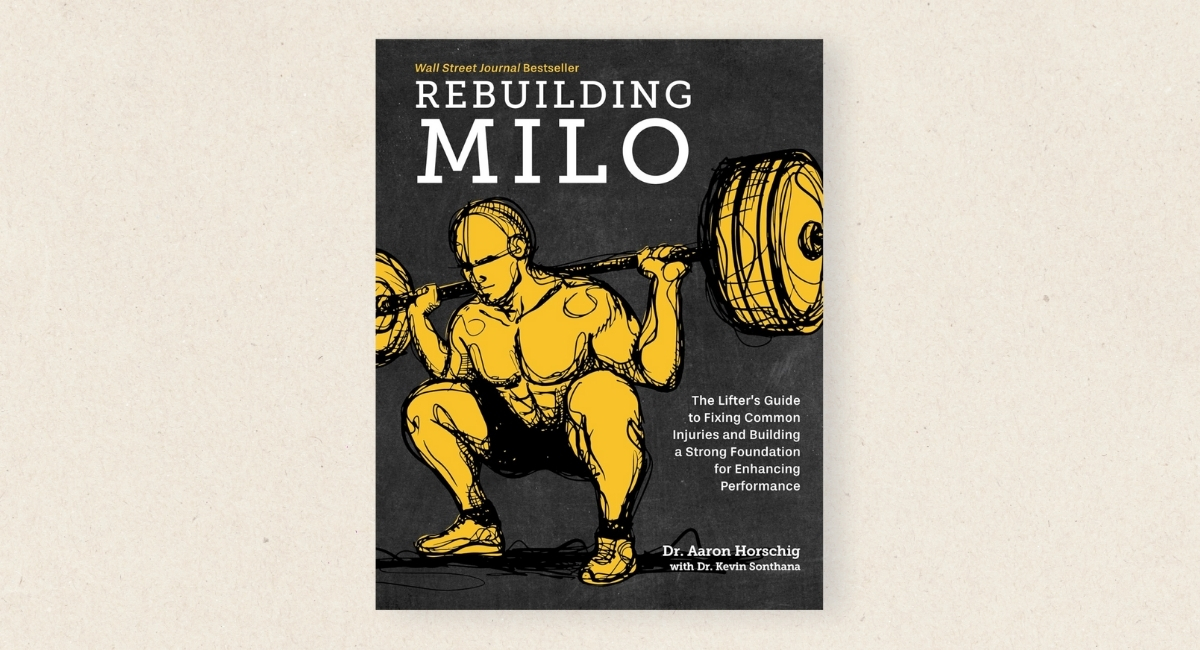
If Built to Move is prevention, Rebuilding Milo is rehabilitation. Horschig’s guide to fixing chronic injuries is written for people who don’t want to stop training but can’t afford another setback. It’s systematic, empowering, and brutally honest: pain is a signal, not a sentence. For midlife entrepreneurs who’ve ignored warning signs — in their bodies or in their lives — this book is the blueprint for rebuilding intelligently.
The issue this book addresses: The frustration of feeling physically limited — the sense that your body can no longer keep up with your mind.
Ask yourself: Where am I compensating instead of healing — in my body or in my work?
Wealth, time management, and fulfillment books for entrepreneurs
Eventually, success stops being a scoreboard. The more you accumulate — clients, assets, accolades — the clearer it becomes that none of it buys more time, attention, or peace. This stage of entrepreneurship is about value, not valuation. It’s about spending energy on what compounds in meaning, not just money. These books challenge the assumptions that drive endless striving and help you make the pivot from achievement to enjoyment, from accumulation to alignment.
Die With Zero – Bill Perkins
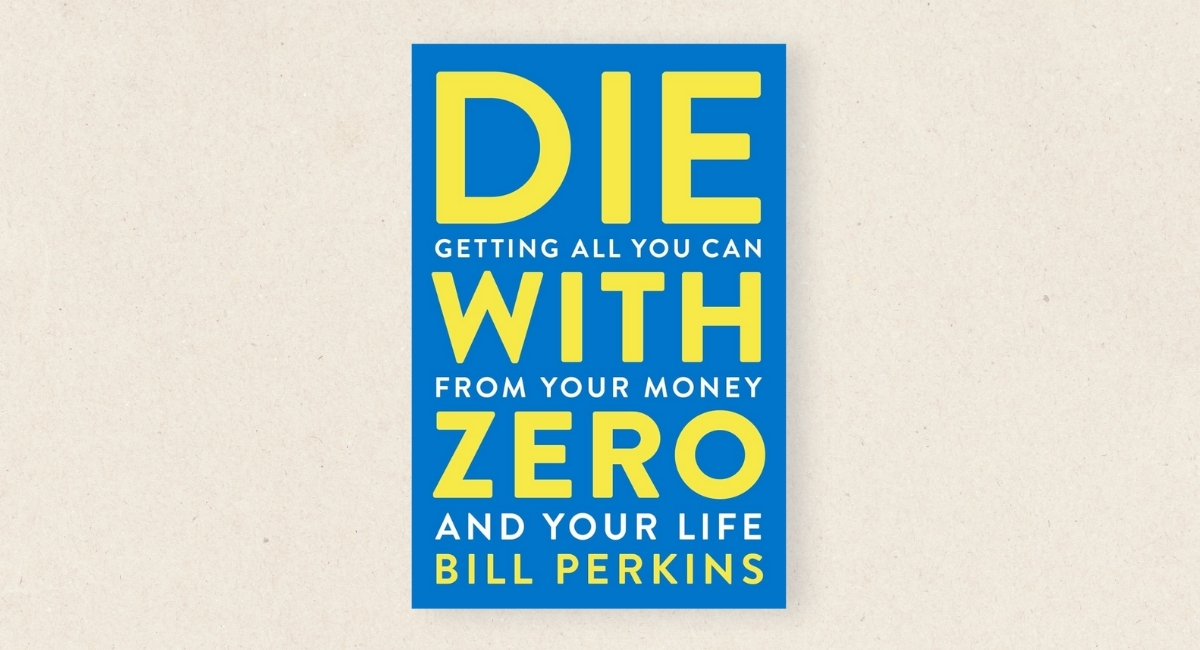
Perkins flips the script on traditional wealth. Instead of maximizing your net worth, he invites you to maximize life worth — the number of meaningful experiences you can still afford in health, time, and attention. The book isn’t about reckless spending; it’s about intentional living. Most entrepreneurs postpone joy for a future self who may never have the energy to enjoy it. Perkins argues that the true ROI of money is memory — and that the right time to use it is while you’re still fully alive to feel its value.
The issue this book addresses: The realization that careful planning and deferred gratification have created abundance in everything but experience.
Ask yourself: What part of my life am I still “saving for later,” and what if later never comes?
Atomic Habits – James Clear
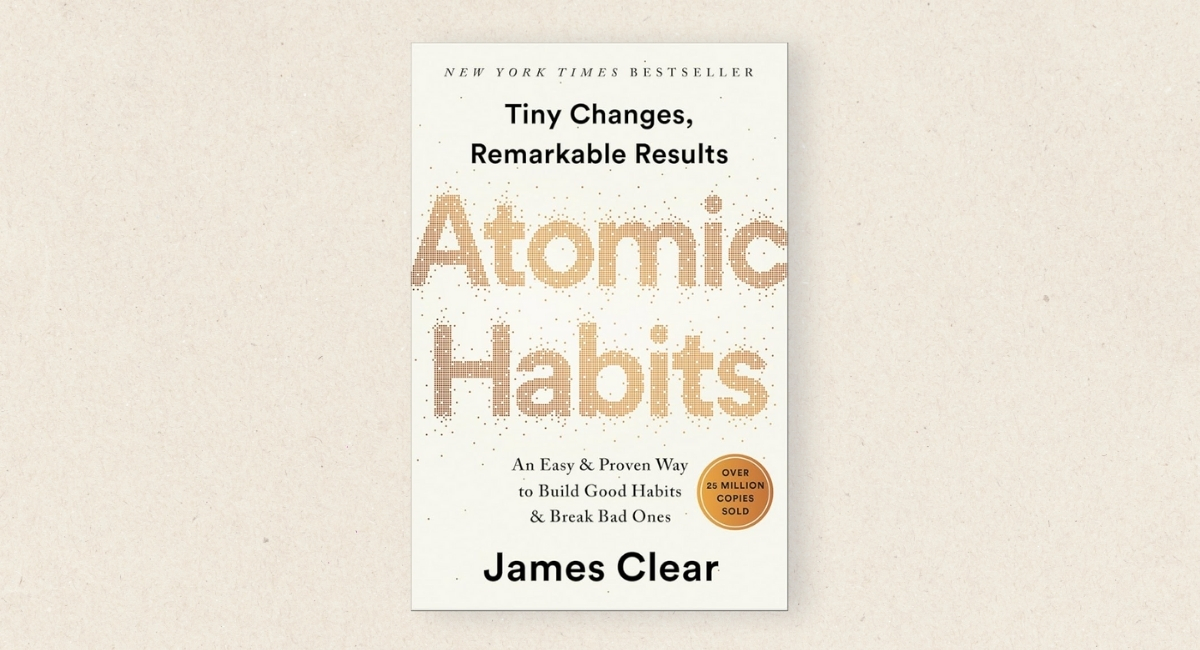
Clear’s book has been quoted to death, but it’s worth rereading at midlife. The first time you read it, you’re optimizing performance. The second time, you’re optimizing peace. Atomic Habits is about reclaiming agency through small, consistent actions — the compound interest of identity. For entrepreneurs who’ve lived by big goals, this book teaches a quieter form of mastery: systems that align with values, not ego. Change doesn’t have to be dramatic to be defining.
The issue this book addresses: The fatigue of constant self-improvement, of chasing transformation when what’s needed is rhythm and stability.
Ask yourself: What simple, repeatable behavior would make my life feel more aligned, not just more efficient?
Final reflection
By the time you reach this stage of life, the real work isn’t about scaling a business — it’s about scaling yourself. You’ve already proven you can create outcomes. The next challenge is creating alignment: a rhythm of work, health, and purpose that feels sustainable and honest.
These twelve books aren’t just resources; they’re mirrors. Each one reflects a different turning point: resistance, surrender, structure, vitality, and legacy. Together, they ask the question that defines the second half of an entrepreneur’s life — not How do I get more? but How do I make what I already have mean more?
If you’re at that turning point
Most entrepreneurs don’t need another business plan. They need a pause, a place to think clearly, without the noise of growth targets or the pressure to have the next big thing.
Coaching isn’t about fixing what’s wrong. It’s about reconnecting with what’s right — your energy, your instincts, your direction. Whether you’re planning a reinvention, building systems that run without you, or simply wanting to feel more alive in your work again, that clarity starts with a single, honest conversation.
If you’re ready for that next conversation, book a complimentary session and let’s see where you are — and where you want to go next.
Paul Strobl, MBA, CPC
Owner of Confide Coaching, LLC
Paul is a Master Life Coach for GenX and GenY executives and business owners. Originally from Houston, Texas, he has been location independent for most of his adult life. He currently resides in the Rhodope Mountains of Bulgaria near the Greek border with his brilliant wife, 15-year-old stepson (officially adopted in 2021!) and a Posavac Hound rescue.
Paul is also a Certified BOSI Partner, Executive Coach, and Entrepreneurial DNA practitioner who has delivered BOSI-based workshops for MBA programs, accelerators, and leadership teams worldwide.