

Have you ever walked away from a conversation with a smile on your face, only to feel a knot in your stomach later? Maybe you agreed to something you didn’t have time for, or softened your opinion so you wouldn’t ruffle feathers. Outwardly, everything seemed fine, yet inside, you felt uneasy, even resentful.
If this sounds familiar, you’re not alone. Many people wrestle with the quiet conflict of wanting to be kind and helpful, while also feeling drained by the constant pressure to keep everyone happy. I’ve seen this struggle in my coaching clients, and I’ve felt it myself, the tension between what you want to do and what you think you should do. It’s exhausting, and it can leave you feeling like you’re never fully yourself.
Here’s the difference: healthy consideration comes from choice. You give because you want to, not because you’re afraid of what will happen if you don’t. People-pleasing, on the other hand, is rooted in fear, fear of rejection, criticism, or conflict. In his book Not Nice, psychologist Aziz Gazipura describes how “niceness” can become a mask: it looks like kindness on the outside, but beneath it lies anxiety and self-doubt.
There’s nothing wrong with you if you struggle with this. People-pleasing is often a learned survival strategy, a way of staying safe, fitting in, or avoiding conflict. The good news is, once you see it for what it is, you can begin to shift. In this article, we’ll explore five subtle signs you might be a people pleaser without realizing it, and how to move toward kindness that doesn’t cost you your self-respect.
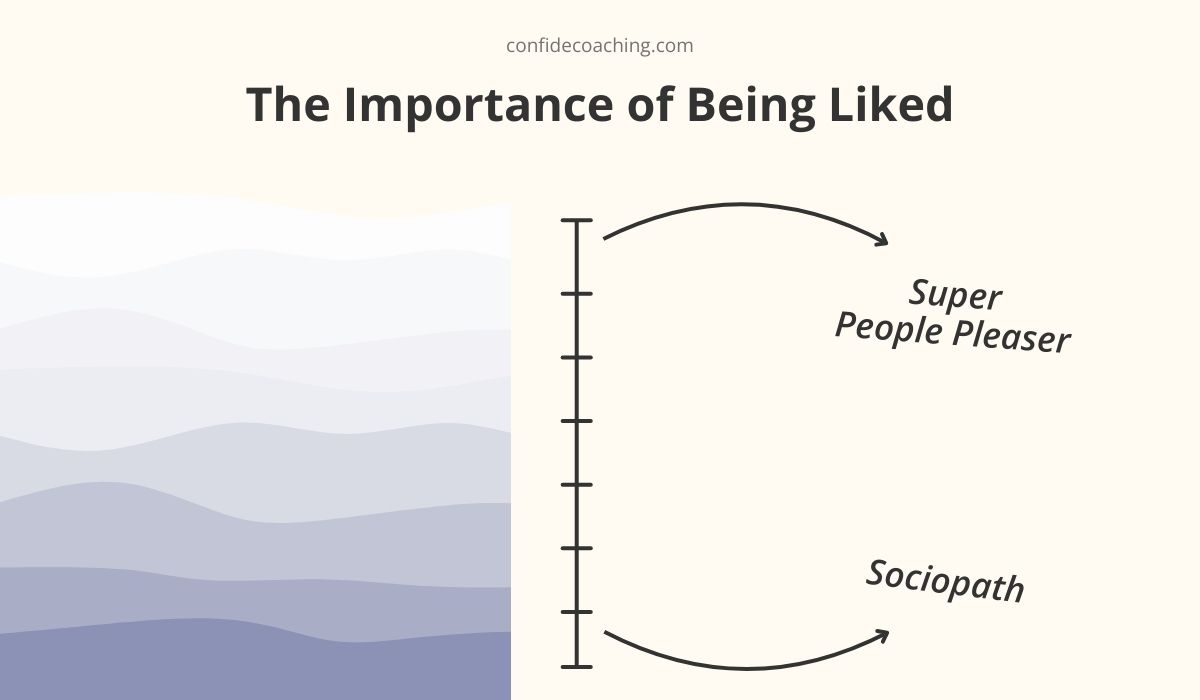
Sign #1: You Apologize Too Much
How many times do you catch yourself saying “sorry” in a single day? Maybe it slips out when you bump into someone, when you speak up in a meeting, or even when you ask for help: “Sorry to bother you, but…” These apologies may feel harmless, but they add up. Over time, they don’t just communicate courtesy, they send the message, to others and to yourself: My needs are an inconvenience.
When people-pleasing takes over, apologizing stops being about genuine concern for your impact and becomes a strategy to manage how others see you. It’s a way of smoothing over even the tiniest friction, as if you need invisible permission just to take up space. Gazipura points out that this kind of reflexive niceness may appear polite, but it slowly chips away at your confidence.
There’s a difference between a healthy apology and a reflexive one. Healthy apologies are about responsibility and repair: “I made a mistake, and I’m sorry.” Reflexive apologies are more about self-protection, an attempt to avoid conflict, criticism, or disapproval. Psychologist Harriet Braiker captured this pattern in her book The Disease to Please, describing how constant softening isn’t true kindness but a fear-driven attempt to hold on to approval.
Think of what all those “sorrys” reinforce: that having needs, asking for attention, or even using your voice is somehow wrong. It’s like walking on eggshells in every interaction, shrinking yourself so others never feel discomfort.
A powerful reframe is to swap apologies for gratitude. Instead of “Sorry I’m late,” try “Thank you for waiting.” Instead of “Sorry for asking,” try “I appreciate your time.” These small shifts honor both you and the other person.
When you stop apologizing for existing, you move from walking on eggshells to standing on solid ground. That’s when kindness and self-respect can finally walk hand in hand.
Sign #2: You Feel Guilty Saying No
If over-apologizing makes you shrink yourself, guilt over saying “no” takes it one step further, it convinces you that protecting your own time or energy is wrong. Many people-pleasers describe this as an almost physical sensation: the tight chest, the rush to explain, the wave of guilt that hits even before the word “no” leaves their mouth.
At its core, this isn’t generosity, it’s fear. Fear of disappointing someone. Fear of being seen as selfish. Fear that saying “no” will cost you a relationship, an opportunity, or someone’s approval. In Not Nice, Gazipura writes about how an endless stream of yeses eventually erodes your integrity. Each false agreement feels small in the moment, but over time, you’re left disconnected from your own values.
Healthy consideration looks very different. It means saying “yes” when it truly aligns with your values and your bandwidth, and “no” when it doesn’t. Boundaries are not a rejection of others; they are clarity about what you can and cannot give. Therapist Nedra Glover Tawwab puts it plainly in Set Boundaries, Find Peace: boundaries protect both people in a relationship because they stop resentment before it starts.
If guilt rises the moment you want to decline, practice reframing it. A short, honest statement is enough: “I can’t commit to that right now.” Notice the relief that comes with speaking the truth, relief that often outweighs the temporary discomfort of someone’s disappointment.
Each time you practice this, you teach yourself a new truth: saying no doesn’t make you selfish. It makes your yes more real.
Sign #3: You Constantly Monitor Others’ Reactions
Another subtle sign of people-pleasing is the constant scanning of other people’s faces, voices, and body language for approval. Maybe you replay conversations in your head, wondering if you said the “wrong” thing. Or perhaps you adjust your tone and opinions on the fly, trying to match what you think the other person wants to hear.
This hyper-attunement can feel like sensitivity or even emotional intelligence, but underneath it often lies anxiety. You’re not simply noticing others, you’re monitoring them for danger: the danger of criticism, rejection, or conflict. Over time, this habit can make you feel like a mirror reflecting everyone else’s expectations, rather than a person grounded in your own perspective.
Here’s where many of my clients have an aha moment: this reflex usually isn’t random. It’s often something you learned long ago. If you grew up with a parent who was critical, unpredictable, or difficult to please, you may have discovered that the best way to stay safe was to read every shift in mood and adjust yourself quickly. That strategy may have spared you from harsh words or withdrawal of affection. In other words, your ability to scan and adapt was a survival skill.
The problem is, what once protected you as a child can trap you as an adult. You may find yourself over-analyzing every glance or pause, still chasing the approval that felt so conditional growing up. And yet, no amount of perfecting or pre-emptive smoothing will guarantee love or acceptance. It only guarantees exhaustion.
Gazipura calls this living from the outside in, molding yourself into what others want. It may win approval in the short run, but it costs you authenticity in the long run. Brené Brown makes a similar point: authenticity requires letting go of who you think you should be and choosing to show up as who you truly are.
Healthy consideration looks different. It means staying aware of others’ feelings without abandoning your own. You can notice disappointment or irritation without making it your job to fix it. You can listen deeply without erasing your perspective.
If you catch yourself slipping into approval-seeking mode, pause and ask: What do I want right now? That simple question can break the old survival script.
Because here’s the real shift: the skills that once kept you safe in childhood aren’t the skills you need to thrive in adulthood. You no longer need to bend yourself to fit someone else’s moods. You’re allowed to stand in your own.
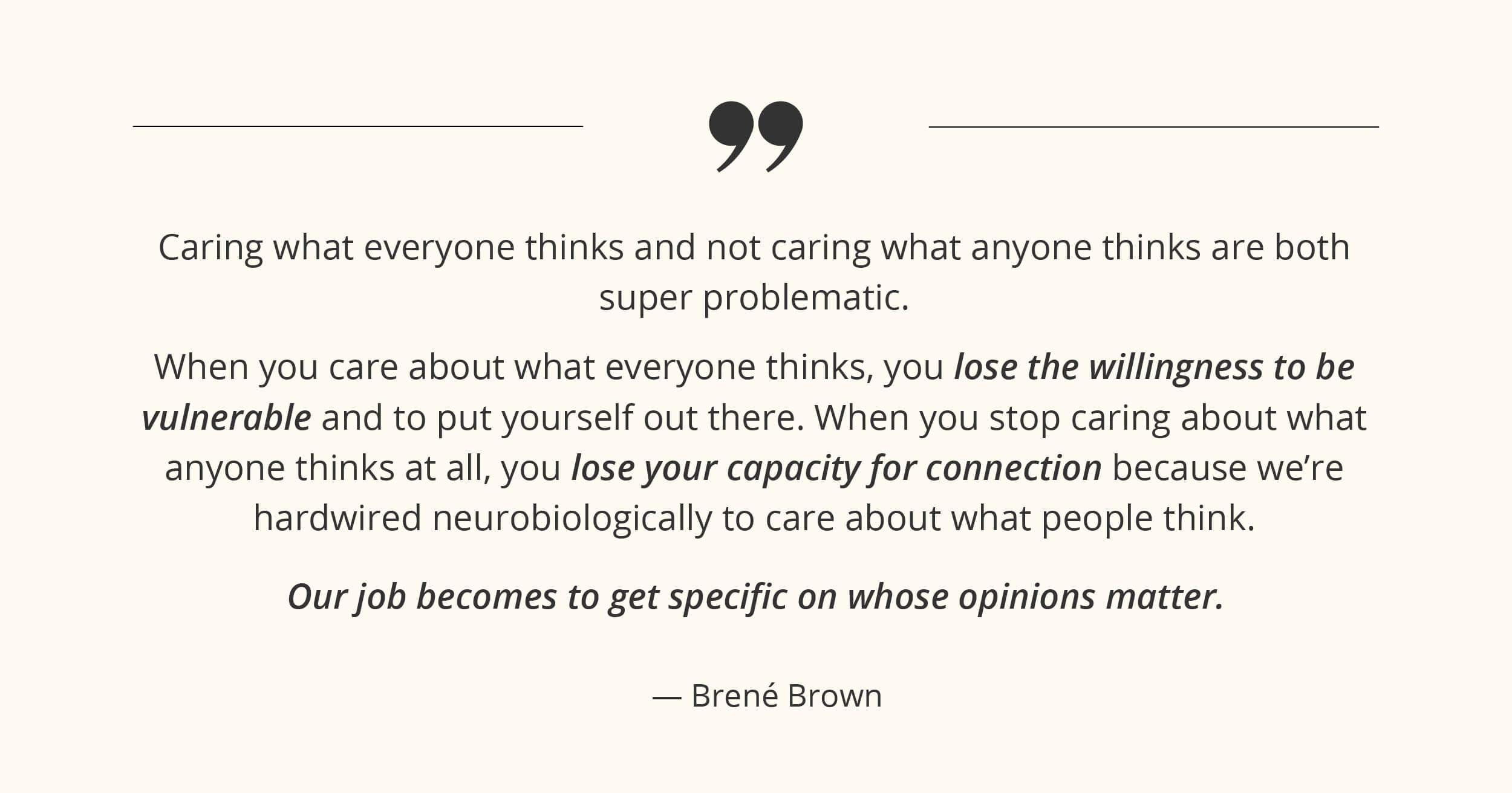
Sign #4: You Avoid Conflict at All Costs
Conflict avoidance might look like kindness on the surface. You bite your tongue, downplay your feelings, or soften your words so no one feels uncomfortable. Maybe you tell yourself it’s not worth making a fuss, or that keeping harmony matters more than speaking up. But deep down, every time you swallow your truth, a small part of you feels unseen.
This is one of the most common patterns I see in clients who identify as people-pleasers. They equate disagreement with danger, the risk of rejection, anger, or abandonment. If you grew up in a household where conflict was explosive, unpredictable, or unsafe, it makes sense that you’d carry that behavior into adulthood.
The irony is that avoiding conflict doesn’t actually protect relationships; it weakens them. Harriet Lerner, author of The Dance of Connection, has written extensively about how intimacy requires honest dialogue, even when it’s uncomfortable. Without it, relationships stay polite but shallow, never strong enough to handle the weight of real life.
Healthy consideration doesn’t mean avoiding conflict; it means approaching it with respect. Speaking up about what matters to you doesn’t have to be aggressive or harsh. It can sound like:
- “I see it differently, and here’s why…”
- “I care about this relationship, which is why I need to be honest.”
- “I’m not comfortable with that, but I’d like to find a solution together.”
Reframing conflict as clarification rather than confrontation can help. You’re not fighting, you’re telling the truth, giving the relationship a chance to become more authentic.
When you stop running from conflict, you discover something surprising: the world doesn’t fall apart when you disagree. In fact, many relationships grow stronger, because they finally have space for honesty as well as harmony.
Sign #5: You Feel Responsible for Other People’s Emotions
One of the most draining signs of people-pleasing is the belief that you’re somehow responsible for how others feel. It’s the confusion of care with responsibility. Instead of allowing someone to sit with their frustration or disappointment, you rush in to manage it. A colleague’s stress becomes something you must ease. A partner’s disappointment feels like yours to resolve.
On the surface, this looks like empathy. But there’s a key difference: empathy says, I feel with you. Responsibility says, I must fix this for you. That subtle shift turns caring into caretaking, and it blurs the line between what belongs to you and what belongs to others.
This pattern often goes unnoticed because it gets praised. You’re seen as the peacemaker, the reliable one, the person who “always knows how to make things better.” But the hidden cost is steep: you end up drained, anxious, and disconnected from your own feelings. No matter how much you do, it never feels like enough, because other people’s emotions are never fully within your control.
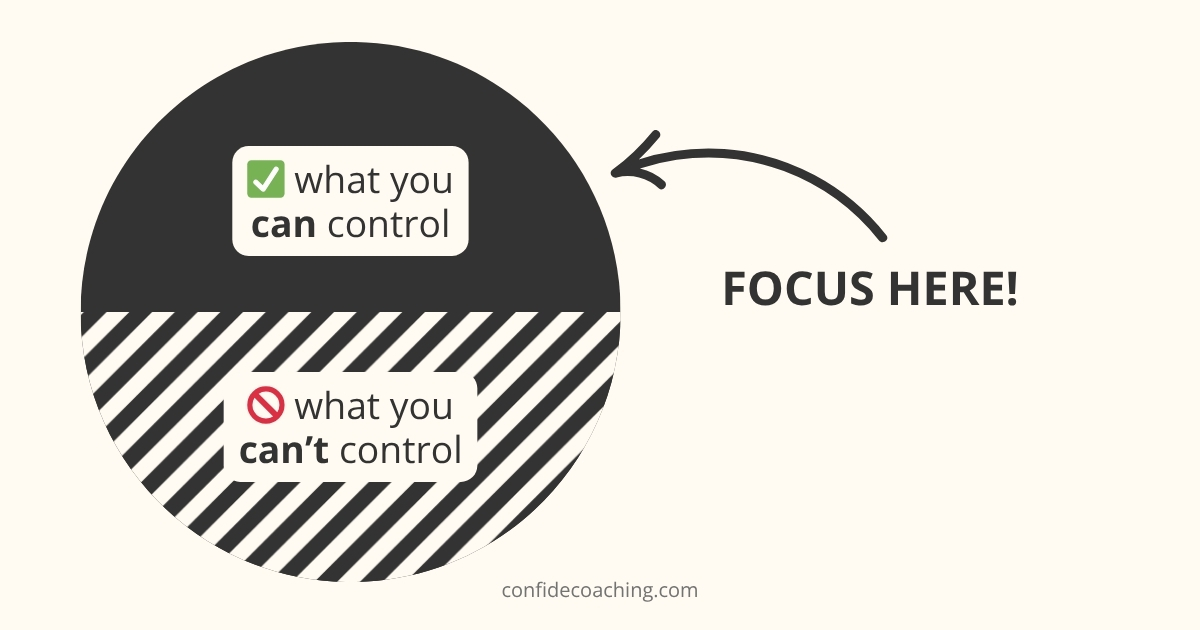
Authors who write on boundaries, like Nedra Glover Tawwab, remind us that we’re responsible for our actions and words, not for how others choose to respond to them. You can be kind without carrying. You can care without taking over.
The shift here is learning to pause before leaping in. Instead of asking, How can I fix this? try asking, What belongs to me, and what belongs to them? This doesn’t mean detaching coldly — it means allowing others the dignity of managing their own emotions, while you stay grounded in yours.
When you stop taking responsibility for everyone’s happiness, you create more space for genuine connection. Relationships feel lighter, freer, and more equal — because you’re no longer trying to carry what was never yours to begin with.
Why People-Pleasing Is Easy to Miss
Looking back at these five signs, you might notice they all share one thing in common: they pull you away from yourself. Whether it’s excessive apologizing, saying yes when you mean no, monitoring every reaction, avoiding conflict, or carrying emotions that aren’t yours, the underlying pattern is the same. You trade authenticity for approval.
That’s why people-pleasing is so easy to miss. It doesn’t present itself as fear; it dresses itself up as kindness, generosity, or thoughtfulness. On the outside, you look agreeable. On the inside, you feel the cost, the fatigue, the resentment, the quiet sense that you’re never quite standing on your own ground.
True kindness doesn’t require you to erase yourself. It allows room for both: caring for others and honoring yourself.
Conclusion: From Pleasing to Authentic Connection
If you recognized yourself in these five signs, it means you’ve been practicing a strategy that once felt necessary, and now you have the chance to update it.
The path out of people-pleasing isn’t about hardening your heart or becoming less generous. It’s about pairing kindness with honesty, clarity, and self-respect. Start small: swap one apology for gratitude, say no without over-explaining, pause before rushing in to fix someone else’s mood. Each of these small shifts strengthens your ability to give from freedom rather than fear.
Because here’s the truth: the more you contort yourself to please others, the less they get to know the real you. And the more you show up as your authentic self, the deeper your relationships can become.
Real connection doesn’t come from being agreeable. It comes from being genuine, and that’s what people are truly drawn to.

Paul Strobl, MBA, CPC
Owner of Confide Coaching, LLC
Paul is a Master Life Coach for GenX and GenY executives and business owners. Originally from Houston, Texas, he has been location independent for most of his adult life. He currently resides in the Rhodope Mountains of Bulgaria near the Greek border with his brilliant wife, 15-year-old stepson (officially adopted in 2021!) and a Posavac Hound rescue.
Paul is also a Certified BOSI Partner, Executive Coach, and Entrepreneurial DNA practitioner who has delivered BOSI-based workshops for MBA programs, accelerators, and leadership teams worldwide.
References & Resources
Gazipura, A. (2017). Not Nice: Stop People Pleasing, Staying Silent, & Feeling Guilty… And Start Speaking Up, Saying No, Asking Boldly, And Unapologetically Being Yourself. Portland, OR: Solution Strategies, Inc.
Braiker, H. B. (2001). The Disease to Please: Curing the People-Pleasing Syndrome. New York, NY: Hachette Books.
Tawwab, N. G. (2021). Set Boundaries, Find Peace: A Guide to Reclaiming Yourself. New York, NY: TarcherPerigee.
Lerner, H. (2001). The Dance of Connection: How to Talk to Someone When You’re Mad, Hurt, Scared, Frustrated, Insulted, Betrayed, or Desperate. New York, NY: HarperCollins.
Brown, B. (2010). The Gifts of Imperfection: Let Go of Who You Think You’re Supposed to Be and Embrace Who You Are. Center City, MN: Hazelden Publishing.