

Ever found yourself staring at the ceiling at 2 a.m., drowning in a constant flow of thoughts and dreading the morning slump? You’re not alone. We’ve all been there, sacrificing some sleep for an extra hour of productivity, only to feel like a zombie the next day. But what if I told you there’s a secret weapon, a missing link in your personal development journey, that could help you conquer those struggles? You guessed it – sleep optimization.
I mean, who hasn’t thought, “If only I could get some decent shut-eye, maybe I wouldn’t be so quick to snap at my kids over trivial matters “? Or, “I’d be way more creative and focused if I didn’t have these pesky dark circles haunting me.” I feel you. We’re in this together, and it’s about time we tackle the real issue at hand: our love-hate relationship with nighttime slumber.
Download Paul Strobl’s Better Sleep Checklist and start sleeping better today!
You see, getting a grip on our sleep habits can work wonders for our productivity, motivation, ability to focus, and make good decisions, both at work and in our personal lives. So, are you ready to dive into the world of sleep optimization and unlock a whole new level of personal growth? Let’s grab our pillows and embark on this life-changing journey together.
Sleep and Self-Control: Mastering Willpower and Motivation to Achieve Our Goals
We’ve all been there: we know we should be hitting the gym or eating a salad instead of binge-watching our favorite show or munching on those greasy fries. So, what’s holding us back? It’s all about self-control and motivation, folks. But did you know that sleep quality plays a crucial role in mastering these oh-so-important skills?
That’s right; research has found that when we’re sleep-deprived, our brain’s prefrontal cortex—the decision-making center—takes a hit (1). Think of it as your internal supervisor, keeping you in check. But when it’s running on fumes, that self-control slips through our fingers. So, getting enough Z’s is like giving your willpower and drive a much-needed boost.
Dr. Andrew Huberman, a renowned neuroscientist, has found that sleep plays a significant role in our motivation levels (2). A well-rested brain can maintain higher dopamine levels, which is directly linked to motivation and goal achievement. When we’re sleep-deprived, our dopamine levels drop, making it harder to stay motivated and focused on our goals. This is why swapping our shut-eye for extra time working on a project or a goal is not such a good idea after all. Instead, Dr. Huberman recommends that we prioritize sleep and make sure to get enough rest in order to maximize motivation and make steady progress toward our goals.
So, how do we go about improving our self-control and motivation through sleep optimization? Dr. Huberman gives us the following tools to perfect our sleep:
Dr. Andrew Huberman’s Top Tips for Perfect Sleep and Increased Motivation (3)
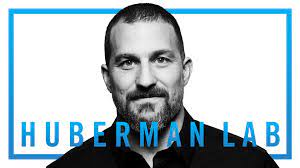
Stanford School of Medicine’s Andrew Huberman, Ph.D., is a neuroscientist and tenured professor in the department of neurobiology and runs an extremely informative podcast.
1) View sunlight by going outside within 30-60 minutes of waking. Do that again in the late afternoon, prior to sunset.
2) Wake up at the same time each day and go to sleep when you first start to feel sleepy.
3) Avoid caffeine within 8-10 hours of bedtime.
4) Take cold showers and exercise at least 3 to 4 days a week.
5) Avoid viewing bright lights—especially bright overhead lights between 10 pm and 4 am.
6) Limit alcohol consumption to no more than a glass and preferably don’t drink at all. Drinking alcohol messes up your sleep. As do most sleep medications.
7) Daytime naps are healthy but don’t go more than 90 min, or don’t nap at all.
8) You might consider taking (30-60 min before bed) 145mg of Magnesium Threonate or 200mg of Magnesium Bisglycinate *Always consult your doctor before taking supplements.
9) Keep the room you sleep in cool and dark and layer on blankets that you can remove.
10) If you wake up in the middle of the night and can’t go back to sleep consider doing a Non-Sleep-Deep-Rest (NSDR) protocol.
Unleashing Creativity through Sleep
Ever felt like you’re stuck in a rut, with no fresh ideas coming to mind? Chances are, your sleep habits might be to blame. You see, our brain goes through several sleep stages throughout the night, with REM sleep playing a starring role in our creativity.
In fact, leading sleep researcher Dr. Gina Poe from UCLA has found that REM sleep promotes the process of creativity by breaking down barriers between memories, allowing for novel connections and innovative problem-solving (5).
During REM sleep, our brain connects seemingly unrelated ideas, helping us come up with innovative solutions to problems. So, if you’re feeling creatively blocked, it might be time to take a closer look at your sleep patterns.
To harness the power of sleep for creativity, try going to bed at a consistent time, aiming for 7-9 hours of sleep, and keeping a dream journal to capture those midnight epiphanies. Who knows, you might just stumble upon the next big idea during a good night’s sleep!
Sleep, Mood, and Emotional Regulation
 Ever snapped at a colleague or felt on the verge of tears after a night of tossing and turning? It’s no coincidence; sleep has a profound impact on our mood and emotional well-being.
Dr. Matthew Walker, another leading sleep researcher and author of the book “Why We Sleep: Unlocking the Power of Sleep and Dreams,” explains that when we’re well-rested, our brain’s emotional control center runs smoothly, helping us keep our cool even under pressure (6). But when we’re sleep-deprived, that control slips away, leaving us more susceptible to mood swings and emotional outbursts. In fact, during sleep, our brain processes and regulates emotions by consolidating emotionally charged memories and experiences, allowing us to wake up with a fresh perspective and a balanced emotional state.
So what happens when you deprive yourself of enough sleep is that your emotional regulation goes haywire, making it more difficult for you to manage stress, deal with challenging situations, and maintain healthy relationships with those around you. This emotional turbulence can have a domino effect on your personal and professional life, leading to decreased productivity, poor decision-making, and even strained relationships with colleagues and loved ones.
To counteract the negative effects of sleep deprivation on your emotional well-being, it’s essential to establish a consistent sleep routine. Start by creating a sleep-friendly environment: dim the lights, keep the room cool, and invest in a comfortable mattress. And remember, self-care is not selfish; prioritizing your sleep is an act of kindness towards yourself and those around you.
Alleviating Anxiety through Sleep Optimization
Anxiety and sleep can be a vicious cycle: anxiety keeps us up at night, and sleep deprivation only fuels our anxiety even more. But fear not, dear reader, for there are tools and techniques that can help us break free from this exhausting loop.
Dr. Andrew Huberman suggests practicing relaxation techniques like deep breathing, progressive muscle relaxation, or even self-hypnotization to help calm the mind and promote better sleep.
Innovative tools like the Reveri App (7) can also play a role in reducing anxiety and improving sleep quality. This app has been developed on the basis of peer-reviewed research by Dr. David Spiegel, who is associate chair of psychiatry at Stanford University. It provides focused self-hypnosis sessions that cover a range of challenges like insomnia, stress, focus, pain perception, and eating habits.
Another powerful practice to consider is Non-Sleep Deep Rest (NSDR) protocols (comparable to Yoga Nidra, i.e. Sleep Yoga), which provide restorative benefits similar to deep sleep without actually sleeping. By incorporating short 10 to 20 minute NSDR sessions into your daily routine, you can experience reduced stress and anxiety levels, leading to better sleep at night. Please check the reference section of this article for links to two NDSR videos.
By incorporating these relaxation techniques and tools into your daily routine, you’ll be well on your way to alleviating anxiety, improving sleep quality, and ultimately breaking the cycle of sleepless nights and anxious days.
Unlocking the Keys to Exceptional Productivity at Work
We all know that sleep is essential for our physical health, and we have all experienced the effects of sleep deprivation on our work performance. It is like a drastic contrast between days when we have slept well and those when we haven’t.
When we get a good night’s sleep, our productivity skyrockets, our concentration is sharper, and our energy levels remain high. Our thinking is clearer, we make better decisions and our moods improve. Conversely, when sleep deprived, the reverse is true. Our energy levels are low, our focus is scarce, and our motivation is almost non-existent. We are more likely to make mistakes, struggle to make decisions and become more irritable.
You may be wondering, “With so much to do at work, how can I possibly get enough sleep?”
If you’re struggling to get enough sleep constantly chasing after deadlines and projects, it may be a good idea to assess your priorities and see if any items can be adjusted or removed from your schedule.
Tips for Making Room for Sleep and Improving Job Performance:
- Assess your priorities: Reevaluate the activities that keep you up past your bedtime. Determine if they are worth the sleep deprivation side effects and make necessary adjustments to prioritize sleep (10).
- Learn to say “no”: Avoid taking on too many commitments or overextending yourself. By setting limits, you can prevent burnout and ensure that you have enough time to get the rest you need.
- Overcome people-pleasing tendencies: Recognize that you cannot please everyone all the time. Prioritize your well-being by putting your sleep needs first, even if it means occasionally disappointing others.
- Establish boundaries: Create clear boundaries between your personal and professional life to prevent work from encroaching on your rest time. Disconnect from work-related communication during your designated rest periods.
- Develop a bedtime routine: Cultivate a consistent routine that signals your mind and body that it’s time to wind down and prepare for sleep. Incorporate relaxing activities such as reading, NSDR protocols (see link in references), journaling, or gentle stretching.
- Optimize your sleep environment: Make sure your bedroom is conducive to sleep by keeping it dark, quiet, and cool. Invest in a comfortable mattress and pillows to enhance your sleep quality.
- Manage stress: Find healthy ways to cope with stress, such as exercise, meditation, or practicing gratitude. Reducing stress levels can make it easier to fall asleep and stay asleep.
- Seek professional help: If you’re having difficulty saying no, establishing boundaries, or implementing any of the above strategies, speaking with a life coach or therapist could be hugely beneficial. An experienced professional can provide you with the guidance, support, and resources you need to overcome these issues and find your true priorities in life. Working with an expert can help you to create lasting, positive changes that will improve your well-being and success. If you’ve never sought the help of a life coach before, here’s a link to book a free trial session with me and discover how life coaching can be of assistance to you.
Sleep-Enhanced Decision-Making
Making decisions is an integral part of our daily lives, whether it’s choosing which project to tackle first or deciding where to invest our hard-earned money. But did you know that our ability to make sound decisions is heavily influenced by our sleep?
When we’re well-rested, our brain’s risk assessment and cognitive flexibility are in good shape, helping us (hopefully) make informed choices. However, when we’re running on empty, our decision-making abilities take a nosedive, leaving us prone to poor choices, impaired judgment, and even procrastination. Furthermore, research published in the journal SLEEP “finds that sleep deprivation impairs the ability to integrate emotion and cognition to guide moral judgments” which makes it hard for us to decide which course of action is more appropriate (11).
To improve your decision-making, make sleep your priority. By ensuring you get enough quality sleep each night, you’ll be better equipped to tackle life’s daily decisions with clarity, confidence, and a balanced perspective. Prioritize self-care by creating a sleep-conducive environment, establishing a bedtime routine, and managing stress effectively. Remember, investing in your sleep is an investment in your ability to make well-informed choices that benefit both your personal and professional life.
The Surprising Ways Food Affects Your Sleep and Vice Versa
Ever wondered why you crave junk food after a sleepless night? Well, there’s a connection between sleep and nutrition that can have a significant impact on our health and wellness journey.
Research has found that poor sleep can lead to imbalanced hunger hormones, causing us to make unhealthy food choices that can affect our energy levels and overall well-being.
The dangerous link between sleep and food
The cycle of bad sleep and poor food choices is a vicious one. When we don’t get enough sleep, our brain doesn’t process food information properly, making it harder for us to control our eating. This can lead to overconsumption of calories and weight gain. The emotional centers of our brain become more active when sleep deprived, causing us to crave foods that are unhealthy and making it difficult for us to resist even though we are aware of our poor choices (12).
But it doesn’t stop there. Eating poorly also negatively impacts the quality of our sleep. Consuming a diet that’s low in fiber and high in saturated fat can disrupt deep, restorative sleep. And having too much sugar and alcohol close to bedtime can cause us to wake up frequently during the night and have difficulty falling back asleep (13).
In the morning, we wake up feeling exhausted and fatigued, often relying on caffeine or other energy stimulants to get us through the day. This cycle of poor sleep and nutrition can be difficult to break, but it is essential for our health and well-being to make the necessary changes.
According to EatingWell.com (14), there are certain nutrients that can help promote better sleep. For example, magnesium has been shown to promote relaxation and improve sleep quality, while calcium may improve REM sleep. Foods rich in tryptophan, like turkey, can increase the production of melatonin, a hormone that regulates sleep. Additionally, foods high in vitamin C and certain antioxidants may help reduce inflammation and promote better sleep. By incorporating these nutrients into your diet, you may be able to get a more restful night’s sleep. So why not try adding more leafy greens and nuts to your meals and see how it affects your sleep?
Sleep and Memory: Boosting Brainpower
Have you ever pulled an all-nighter to cram for a big presentation or exam, only to find yourself struggling to remember the information? It turns out that sleep is essential for our memory and learning abilities.
During sleep, our brain consolidates and stores new information, making it easier to recall when needed. So, by depriving ourselves of sleep, we’re actually hindering our ability to learn and remember new things. Moreover, sleep plays a crucial role in both the encoding and retrieval stages of memory formation. It enhances our brain’s ability to encode new information into long-term memory and helps to stabilize and strengthen the neural connections required for retrieval. Deep sleep, in particular, is vital for the consolidation of procedural and declarative memories, which are essential for problem-solving, critical thinking, and overall cognitive function.
To harness the full power of your memory and learning capabilities, make a conscious effort to prioritize sleep in your daily routine.
Dr. Gina Poe’s Best Tips on How to Use Sleep To Enhance Learning and Memory (15)
- Maintain consistent bedtimes: Your body knows when you should be sleeping and your cells are ready to respond to growth hormone release at a specific time – you can’t catch up on this release. If you go to bed an hour later than your usual bedtime you are going to miss that big bolus of growth hormone release. The reason for that is that every cell in your body has a circadian clock and knows when things should happen and all of those clocks are normally synchronized. So your cells are ready to respond to that big bolus of growth hormone release at a particular time. And if you miss it, because let’s say you go to bed an hour later, your clock has moved to the next phase, so you may get some but not all of the release that will usually happen during normal sleep hours.
- Growth hormone role in adults: Promotes cell regeneration and repair. In adults, growth hormone plays a crucial role in maintaining and repairing tissues, including muscles, bones, and organs, by stimulating cell growth and regeneration. This helps to keep the body functioning optimally and contributes to overall health and well-being. Growth hormone levels naturally reduce from middle age onwards making prioritizing sleep even more important for people in their 40 and over.
- Prioritize quality sleep: Aim for 7-9 hours of sleep per night, as the first four hours are crucial for memory processing. Quality sleep includes experiencing all stages of non-REM and REM sleep, each playing a unique role in cognitive function and overall health.
- Space out learning: Break your study sessions into shorter, focused periods, and avoid cramming. Giving your brain time to process and consolidate information between study sessions can improve long-term retention.
- Utilize naps strategically: If you’re feeling fatigued, a short nap of 20-30 minutes can help rejuvenate your mind and enhance learning. However, avoid napping too close to bedtime, as it can disrupt your nighttime sleep schedule.
- Reflect on learned material before sleep: Review the information you’ve learned during the day before going to bed. This can help strengthen neural connections and reinforce memory consolidation during sleep.
By getting the recommended 7-9 hours of sleep per night, and incorporating Dr. Gina Poe’s tips into your daily routine, you’ll give your brain the opportunity to process, consolidate, and store new information, ultimately improving your cognitive performance and personal development.
The Final Piece of the Puzzle: Unlocking Your True Potential
I get it, sleep struggles can be exhausting and frustrating. It’s easy to feel overwhelmed and wonder why you can’t just get a good night’s rest like everyone else. You might even think, “If only I could sleep better, I could finally get ahead at work, feel more focused, and enjoy life to the fullest.”
But here’s the good news: you’re not alone, and there’s hope. It’s time to rise above those sleepless nights and groggy mornings. By implementing the sleep optimization strategies we’ve discussed, you’re taking charge of your personal development journey and unlocking your true potential. Remember, better sleep leads to improved decision-making, healthier food choices, enhanced learning and memory, and stronger relationships.
You’ve got this. With every well-rested night, you’re one step closer to transforming your life. Keep up the momentum and stay committed to your sleep optimization journey. Soon enough, you’ll be reaping the benefits – increased productivity, improved emotional well-being, and a renewed zest for life. So go on, give it your all, and watch as you become the best version of yourself.
And when you finally conquer those sleep struggles and experience the incredible transformation that awaits, you’ll look back at this moment and think, “I did it. I took control of my sleep and changed my life for the better.” That’s when you’ll truly deserve a standing ovation. So go ahead, claim your well-deserved rest, and unleash the extraordinary power that lies within you.

Paul Strobl, MBA, CPC
Owner of Confide Coaching, LLC
Paul is a Master Life Coach for individuals, executives and business owners. Originally from Houston, Texas, he has been location independent for most of his adult life. He currently resides in the Rhodope Mountains of Bulgaria near the Greek border with his brilliant wife, 13-year-old stepson (officially adopted in 2021!) and a Posavac Hound rescue.
References
-
-
-
-
- Killgore WD, Balkin TJ, Wesensten NJ. Impaired decision making following 49 h of sleep deprivation. J Sleep Res. 2006 Mar;15(1):7-13. doi: 10.1111/j.1365-2869.2006.00487.x. PMID: 16489997. (link: Impaired decision making following 49 h of sleep deprivation – PubMed (nih.gov))
- Huberman Lab. (2023, March 27). Leverage Dopamine to Overcome Procrastination & Optimize Effort https://hubermanlab.com/leverage-dopamine-to-overcome-procrastination-and-optimize-effort/
- Huberman Lab. (2021, September 19). Toolkit for Sleep https://hubermanlab.com/toolkit-for-sleep/
- Non-Sleep-Deep-Rest (NSDR) protocol by Dr. Andrew Huberman https://www.youtube.com/watch?v=AKGrmY8OSHM&list=PLPNW_gerXa4P6-7EC4twzLBjR22rQYk3u&index=1
- Lewis, P. A., Knoblich, G., & Poe, G. (2018). How Memory Replay in Sleep Boosts Creative Problem-Solving. Trends in Cognitive Sciences, 22(6), 491-503. https://doi.org/10.1016/j.tics.2018.03.009
- Walker, M. (2017). Why We Sleep: Unlocking the Power of Sleep and Dreams. New York, NY: Scribner.
- Reveri App https://www.reveri.com/
- (10 minutes) Non-Sleep Deep Rest (NDSR) with Dr. Andrew Huberman https://www.youtube.com/watch?v=AKGrmY8OSHM
- (20 minutes) Non-Sleep Deep Rest (NSDR): A Science Supported Tool for De-Stress and Relaxation https://www.youtube.com/watch?v=pL02HRFk2vo
- Newsom, R. (2023, April 28). The Link Between Sleep and Job Performance. Sleep Foundation. https://www.sleepfoundation.org/sleep-hygiene/good-sleep-and-job-performance
- Killgore, W. D. S., Balkin, T. J., & Wesensten, N. J. (2007). Impaired decision making following 49 hours of sleep deprivation. Journal of Sleep and Sleep Disorders Research, 30(3), 232–242. Retrieved from https://aasm.org/journal-sleep-sleep-deprivation-affects-moral-judgment/
- Greer, S. M., Goldstein, A. N., & Walker, M. P. (2013). The impact of sleep deprivation on food desire in the human brain. Nature communications, 4, 2259. https://doi.org/10.1038/ncomms3259
- National Sleep Foundation. (n.d.). The Link Between Nutrition and Sleep. Retrieved from https://www.thensf.org/the-link-between-nutrition-and-sleep/
- Dreisbach, S. (2021, October 13). 5 Nutrients to Eat for Better Sleep—and How to Incorporate Them Into Your Diet. EatingWell. https://www.eatingwell.com/article/7921549/nutrients-for-better-sleep/
- Huberman Lab. (2023, February 13). Dr. Gina Poe: Use Sleep to Enhance Learning, Memory, and Emotional State. [Audio podcast episode]. In Huberman Lab Podcast. Retrieved from https://hubermanlab.com/dr-gina-poe-use-sleep-to-enhance-learning-memory-and-emotional-state/
-
-
-